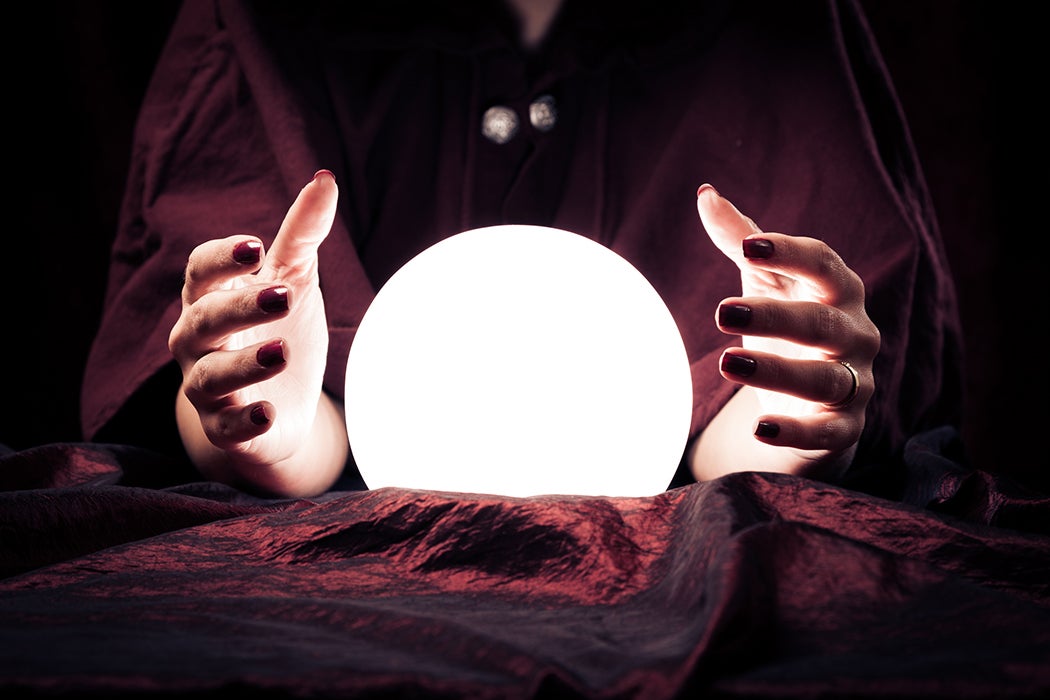
Divinatory art has fascinated humanity for centuries, offering a unique blend of symbolism, intuition, and cultural tradition. Throughout history, people have sought ways to understand the unknown, gain insight into personal circumstances, and explore possibilities that lie beyond ordinary perception. Divinatory art encompasses a wide range of practices that use symbols, patterns, and interpretive methods to inspire reflection and guidance https://voyance-telephone-serieuse.com/ . Its enduring appeal reflects a universal human desire to seek meaning, understand life’s complexities, and connect with deeper layers of awareness.
The origins of divinatory art stretch back to ancient civilizations where spiritual practices and symbolic interpretation played important roles in daily life. Early societies often looked to natural phenomena, celestial movements, and ritual objects for signs believed to reveal valuable information. Diviners, seers, and spiritual guides held respected positions within their communities because they were thought to possess the knowledge and experience needed to interpret meaningful patterns. These traditions became deeply woven into cultural identities and helped shape spiritual and philosophical beliefs across generations.
One of the defining features of divinatory art is its reliance on symbolism. Symbols have the power to communicate ideas and emotions that extend beyond ordinary language. In divinatory practices, symbols often represent themes such as transformation, opportunity, relationships, growth, and personal challenges. Through careful interpretation, practitioners seek to uncover messages that may offer insight into current circumstances or future possibilities. The richness of symbolic language allows individuals to engage with complex ideas in a meaningful and imaginative way.
Card reading remains one of the most widely recognized forms of divinatory art. Through the use of illustrated cards filled with symbolic imagery, readers interpret patterns and relationships that emerge during a reading. The process often encourages introspection and thoughtful consideration of life’s various dimensions. Rather than focusing solely on predictions, many people appreciate card readings because they provide opportunities to explore emotions, goals, and personal perspectives. The artistic designs and layered meanings associated with the cards contribute significantly to their enduring popularity.
Astrological interpretation also occupies an important place within divinatory traditions. By examining the positions and movements of celestial bodies, astrologers seek to identify patterns that may influence personality traits, relationships, and life experiences. Astrology combines observation, symbolism, and interpretation, creating a complex system that has been studied and practiced for thousands of years. Many individuals find value in astrological insights because they encourage self-discovery and offer frameworks for understanding personal strengths and challenges.
Another fascinating branch of divinatory art involves the interpretation of dreams. Dreams have long been regarded as meaningful experiences capable of revealing hidden thoughts, emotions, and possibilities. Across cultures, dream symbols have been analyzed and recorded as part of broader systems of spiritual understanding. The symbolic nature of dreams encourages reflection and invites individuals to consider perspectives that may not emerge during waking life. This process of interpretation has contributed to the continued relevance of dream analysis within divinatory practices.
The role of intuition is central to many forms of divinatory art. Intuition is often described as an inner sense of knowing that arises without conscious reasoning. Practitioners frequently rely on intuitive impressions alongside traditional interpretive systems to provide guidance and understanding. Developing intuition often involves mindfulness, observation, and a willingness to trust subtle insights. Many individuals find that engaging with divinatory art helps strengthen their awareness of personal thoughts, emotions, and inner wisdom.
Nature has historically served as a powerful source of inspiration for divinatory practices. Ancient observers often interpreted the behavior of animals, weather patterns, and natural events as meaningful signs. These observations reflected a worldview in which humanity and nature were deeply interconnected. Even today, many people feel inspired by the idea that meaningful insights can emerge through careful attention to the natural world. This connection to nature adds depth and richness to the broader tradition of divinatory art.
Modern technology has transformed the way people engage with divinatory practices. Online platforms, mobile applications, and virtual consultations have made various forms of divination more accessible than ever before. Individuals can now explore symbolic systems, receive readings, and learn about interpretive traditions from virtually anywhere. This accessibility has introduced new audiences to ancient practices while preserving the essence of their symbolic and reflective nature. The combination of tradition and innovation has helped divinatory art remain relevant in contemporary society.
Many people approach divinatory art as a tool for self-reflection rather than a source of absolute answers. A reading or symbolic interpretation can provide an opportunity to pause, examine personal circumstances, and consider different perspectives. This reflective process often encourages thoughtful decision-making and greater self-awareness. By engaging with symbols and intuitive insights, individuals may discover new ways of understanding their experiences and navigating life’s uncertainties.
The cultural impact of divinatory art extends far beyond personal practice. It has influenced literature, visual arts, mythology, and storytelling traditions throughout history. Images associated with divination often appear in paintings, novels, films, and folklore, symbolizing mystery, wisdom, and discovery. These creative representations have helped preserve interest in divinatory traditions and contributed to their lasting presence within popular culture. The themes of insight and exploration continue to resonate with audiences across generations.
Divinatory art also highlights humanity’s enduring fascination with possibility. People naturally seek understanding and often wonder about the paths that may lie ahead. Divination provides symbolic frameworks through which these questions can be explored. Whether through cards, dreams, astrology, or other methods, the process invites individuals to engage with imagination, reflection, and personal meaning. This sense of exploration is one reason why divinatory traditions continue to inspire curiosity and appreciation.
As society evolves, divinatory art remains a compelling blend of ancient wisdom and contemporary interest. Its focus on symbolism, intuition, and personal insight offers opportunities for reflection and discovery. While interpretations and beliefs vary widely, the enduring popularity of divinatory art demonstrates the timeless human desire to seek meaning and understand life’s mysteries. Through its rich traditions and creative expressions, divinatory art continues to inspire people to explore the deeper dimensions of experience and imagination.